Archive
Photochemical Smog as New Media
Perhaps photochemical smog is the only true new visual media of post World War II technological culture. It represents the high achievements in science and technology, combined with (synthetic) chemistry and sunlight. It modulates the light like advanced visual media should and embeds us in its augmented reality as we suck it into our lungs.
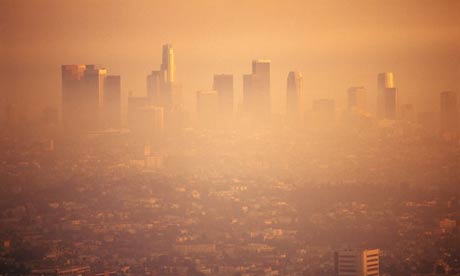 It encapsulates the mediatic cities of Los Angeles and Beijing, as encompassing surely as Hollywood’s machinery. Just like the material basis of technical media of more conventional kind – such as photography and film – it is chemical based. It is media the same as any photochemical process is about how light gets absorbed on our planet’s atoms and molecules.
But it’s new media, particular to the modern industrial age and the chemical reactions of more recent history. It feeds of industrial pollution and modern transport. It is about the screen as well – how the sunlight is offered this massive living chemical molecular screen on which to project its energetic images. A molecular aesthetics of an ecology of a dying planet.

Architecture’s Underbelly
One of the low points of architecture in 2013 was architect Zaha Hadid’s football stadium in Qatar. Designed for the forthcoming games of 2022, the main part of the discussion has been about whether it resembles a vagina or not.

Besides reducing architectural discourse to a pretend shock about female genitalia, the case is emblematic of how design is detached from the actual world conditions. Instead of engaging in any way with the reports about abusive working conditions in the construction sites of such stadiums for Qatar 2022, we are left debating the building’s pinky Freudian connotations. Despite the pseudo-feminist debate it raised, a rather sad moment for design. It actually just flags detachment of both architectural popular discourse and architects such as Hadid from a connection with things that might have some material meaning or a meaningful impact for those whose lives this has a direct lived relation.
The underbelly of star designers are: “long working hours, hazardous working conditions, the workers being unpaid for months, had their passports confiscated, forced to live in overcrowded labour camps, denied the right to form unions, and without access to free drinking water in extreme heat”.
But the creative industries backed discourse of stars and creativity demands this underbelly of grey abusive low-paid and globally displaced hard work that is sustaining the fluffy public discourse about design.

















 Machinology